
Flame Retardant Plastic 3D Printing
Custom Online 3D Printing Service
Flame Retardant Plastic 3D Printing involves the use of specialized materials that are designed to resist or slow down the spread of fire, making them ideal for applications where safety and fire resistance are critical. These materials are often used in industries such as electronics, aerospace, automotive, and construction, where parts must meet stringent safety standards for fire resistance.
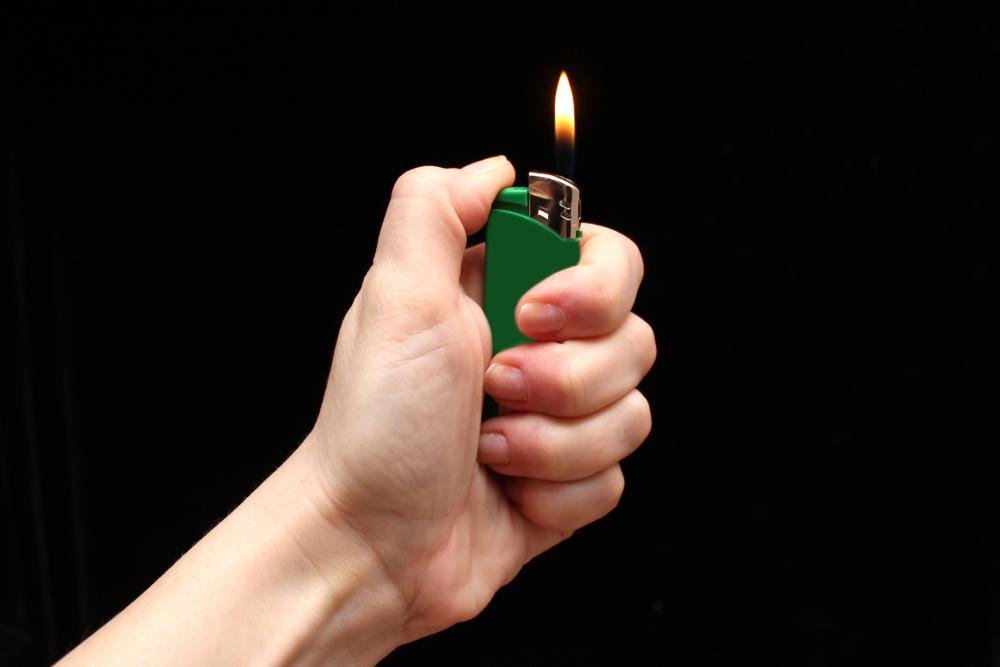
What 3D Printed Plastics are Flame Retardant to UL94-V0 or FAR 25.853?
What makes a plastic flame retardant?
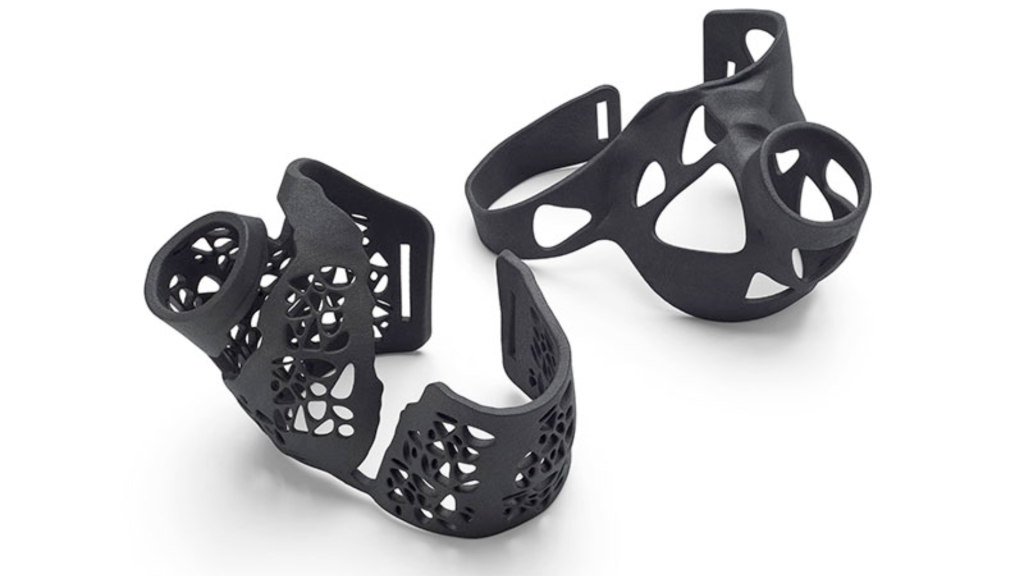
Flame retardant and self-extinguishing criteria are essential flammability standards used by the FAA (Federal Aviation Administration), automotive, and consumer product industries. These standards typically require material samples to meet specific burn specifications, where the flame must extinguish within a set timeframe or before a designated amount of the material is consumed.
The UL-94 standard categorizes flammability performance, with UL-94 V ratings assessing vertical burn characteristics and UL-94 HB evaluating horizontal burn behavior. Many 3D-printed plastics are rated UL-94 HB, representing the lowest level of flammability performance. Materials passing FAR 25.853 or achieving UL-94 V-0 or V-1 ratings are considered “flame-retardant plastics” suitable for final applications.
V-0
Vertical samples extinguish within 10 seconds without flaming drips.
V-1
Vertical samples extinguish within 30 seconds without flaming drips.
V-2
Vertical samples extinguish within 30 seconds but may produce flaming drips.
HB
Horizontal samples burn at a slow rate or self-extinguish, offering the least flame resistance.
What 3D Printed Plastics Pass 49 CFR 571.302?
| Material Name | Flammability Standard Passed | Material Data Sheet |
|---|---|---|
| HP 3D High Reusability PA 11 | 49 CFR 571.302 | PA 11 Data Sheet |
| HP 3D High Reusability PA 12 | 49 CFR 571.302 | PA 12 Data Sheet |
| HP 3D High Reusability PA 12 Glass Beads | 49 CFR 571.302 | PA 12 GB Data Sheet |
| BASF Ultrasint™ TPU01 | 49 CFR 571.302 | TPU01 Data Sheet |
FAR 25.853 versus UL-94 Flammability Ratings
Materials that meet UL flammability standards often also comply with FAR 25.853, a Federal Aviation Administration (FAA) regulation for cabin and cargo materials. The FAR 25.853 60-second burn test requires materials to withstand 60 seconds of direct flame exposure. To pass, the specimen must stop burning within 15 seconds after flame removal, with any drips extinguishing in less than 3 seconds. Additionally, no more than six inches of the material can burn during the test.
While both standards are used to evaluate flame-retardant materials, the FAR certification is particularly critical for identifying materials suitable for aerospace and aviation applications.
What 3D Printed Plastics Comply With UL94-HB?
| Material Name | Printing Process | Material Data Sheet |
|---|---|---|
ABS-M30 | Fused Deposition Modeling (FDM) | ABS-M30 Data Sheet |
ABS-ESD7 | Fused Deposition Modeling (FDM) | ABS-ESD7 Data Sheet |
ABSi | Fused Deposition Modeling (FDM) | ABSi Data Sheet |
ASA | Fused Deposition Modeling (FDM) | ASA Data Sheet |
Nylon 12 (FDM) | Fused Deposition Modeling (FDM) | Nylon 12 (FDM) Data Sheet |
PC-ABS | Fused Deposition Modeling (FDM) | PC-ABS Data Sheet |
PC | Fused Deposition Modeling (FDM) | PC Data Sheet |
PC-ISO | Fused Deposition Modeling (FDM) | PC-ISO Data Sheet |
RPU 70 | Carbon DLS | RPU 70 Data Sheet |
EPX 82 | Carbon DLS | EPX 82 Data Sheet |
Nylon 12 (SLS) | Selective Laser Sintering (SLS) | Nylon 12 (SLS) Data Sheet |
Nylon 12, Glass-filled (GF) | Selective Laser Sintering (SLS) | Nylon 12 GF Data Sheet |
xCERAMIC3280 | Lubricant Sublayer Photo-curing (LSPc®) | xCERAMIC3280 Data Sheet |
Why Choose Avinyaworks for Flame Retardant Plastic 3D Printing?
Endless Options
Choose from millions of possible combinations of materials, finishes, tolerances, markings, and certifications for your order.
Easy to Use
Get your parts delivered right to your door without the hassle of sourcing, project management, logistics, or shipping.
Quality Assurance
We are ISO 9001:2015, ISO 13485, IATF 16949:2016, and AS9100D certified.
